Vitamins and Minerals in Everyday Routines
An educational resource providing informational context about micronutrients and their presence in daily nutrition

Introduction to Vitamins and Minerals
Vitamins and minerals represent a category of nutrients commonly discussed in the context of daily nutrition and food composition. These substances are present in various food sources and form part of the broader conversation about dietary patterns and everyday eating habits.
This educational resource provides general information about the classification, sources, and contextual role of micronutrients in routines. The materials presented here serve an informational purpose and do not constitute personalized guidance or specific recommendations.
General Definition of Micronutrients
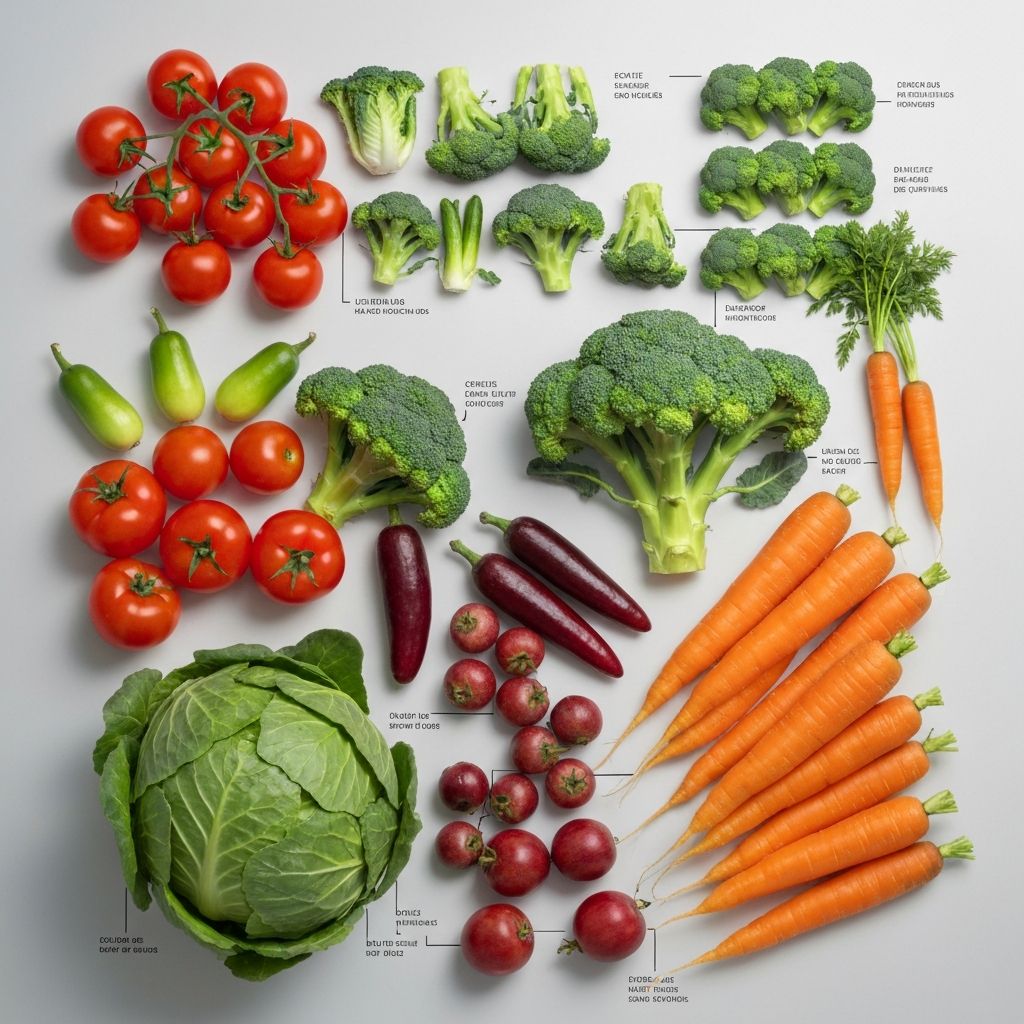
Micronutrients is a term used to describe vitamins and minerals that are required in relatively small quantities compared to macronutrients such as proteins, carbohydrates, and fats. These compounds are found naturally in foods and are also available in supplemental forms.
The classification of micronutrients typically includes two main categories: vitamins and minerals. Each category encompasses multiple individual substances, each with distinct chemical properties and dietary origins.
Understanding the basic definitions and classifications of micronutrients provides foundational knowledge for exploring their presence in everyday food choices and routines.
Vitamins: Informational Classification
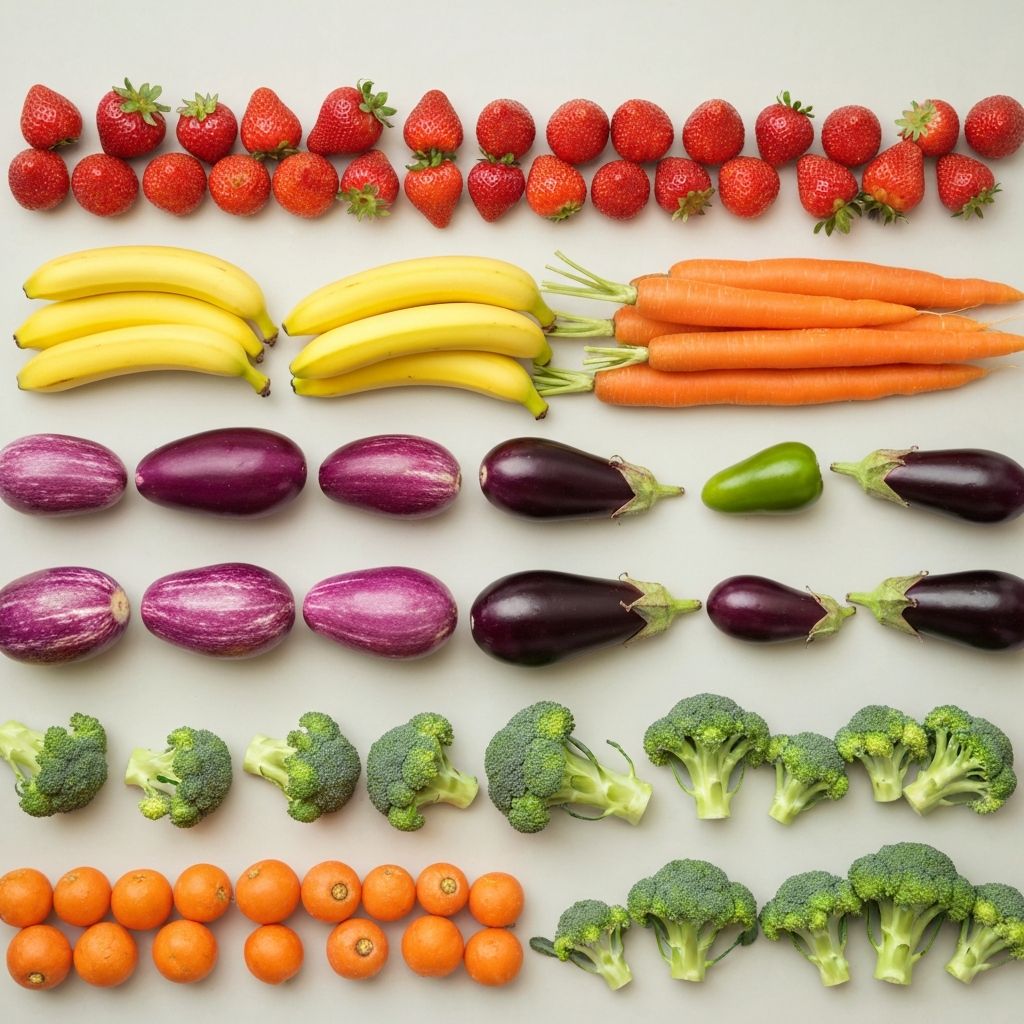
Vitamins are organic compounds that are generally categorized based on their solubility. This classification helps in understanding their storage and distribution in the body as well as their dietary sources.
Fat-Soluble Vitamins
Fat-soluble vitamins include Vitamin A, Vitamin D, Vitamin E, and Vitamin K. These vitamins are typically found in foods containing dietary fats and oils. Common sources include dairy products, vegetable oils, nuts, seeds, and certain vegetables.
Water-Soluble Vitamins
Water-soluble vitamins include the B-complex vitamins and Vitamin C. These are present in a wide variety of foods such as fruits, vegetables, grains, legumes, and animal products. Water-soluble vitamins are found in many everyday food items that form part of typical dietary patterns.
The informational classification of vitamins serves as a framework for understanding their diversity and occurrence in different food groups. This knowledge forms part of general nutritional literacy.
Minerals: Informational Classification
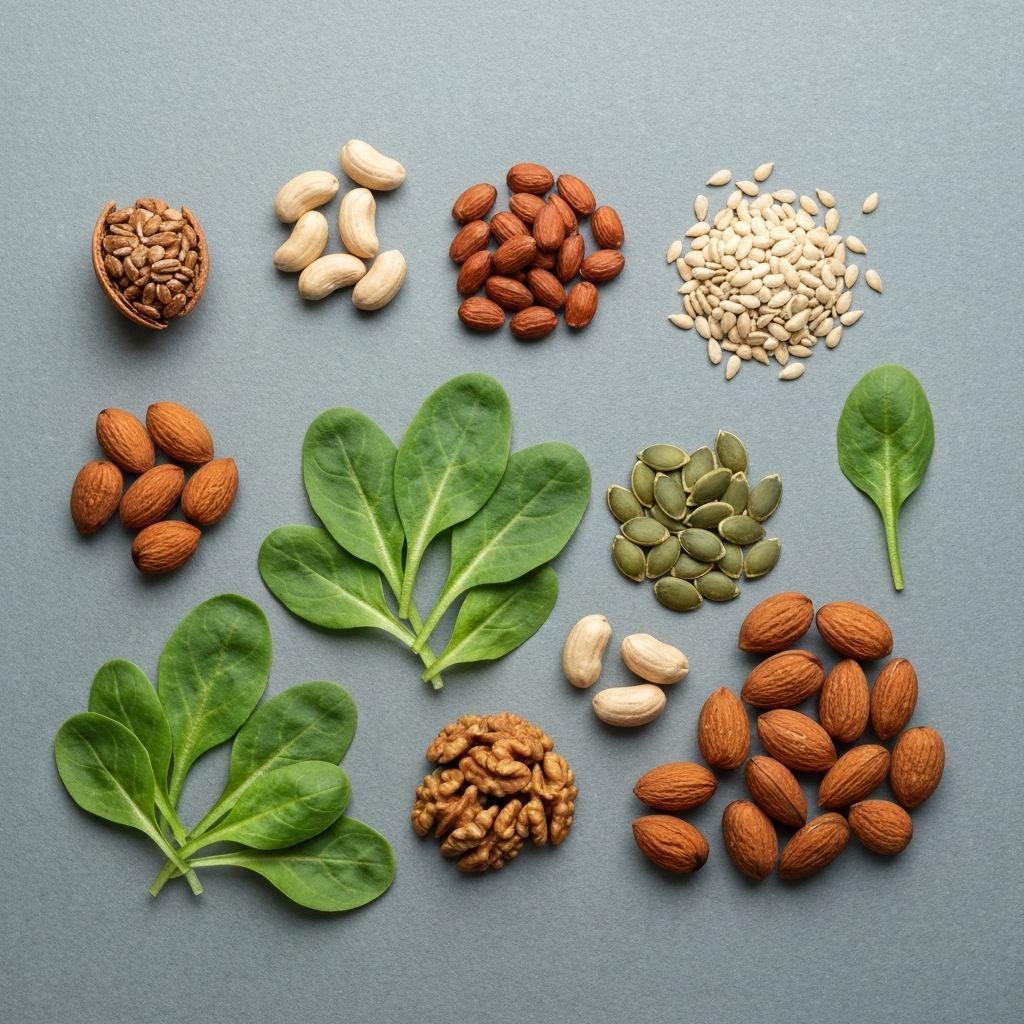
Minerals are inorganic elements that are present in various foods and play different roles in nutritional science. Like vitamins, minerals are categorized into groups based on the quantities typically discussed in dietary contexts.
Major Minerals
Major minerals include calcium, phosphorus, magnesium, sodium, potassium, chloride, and sulfur. These minerals are found in varying amounts in foods such as dairy products, meats, vegetables, fruits, legumes, and processed foods.
Trace Minerals
Trace minerals include iron, zinc, copper, manganese, iodine, selenium, and fluoride. These are present in smaller quantities in foods. Sources include meats, seafood, nuts, seeds, whole grains, and certain vegetables.
This classification provides a general framework for understanding the variety of minerals discussed in nutritional contexts and their widespread presence in common food items.
Dietary Sources Overview
Vitamins and minerals are found naturally in a wide range of foods that form part of everyday dietary patterns across different cultures and regions. Understanding the common sources of these micronutrients contributes to general nutritional awareness.
Animal Sources
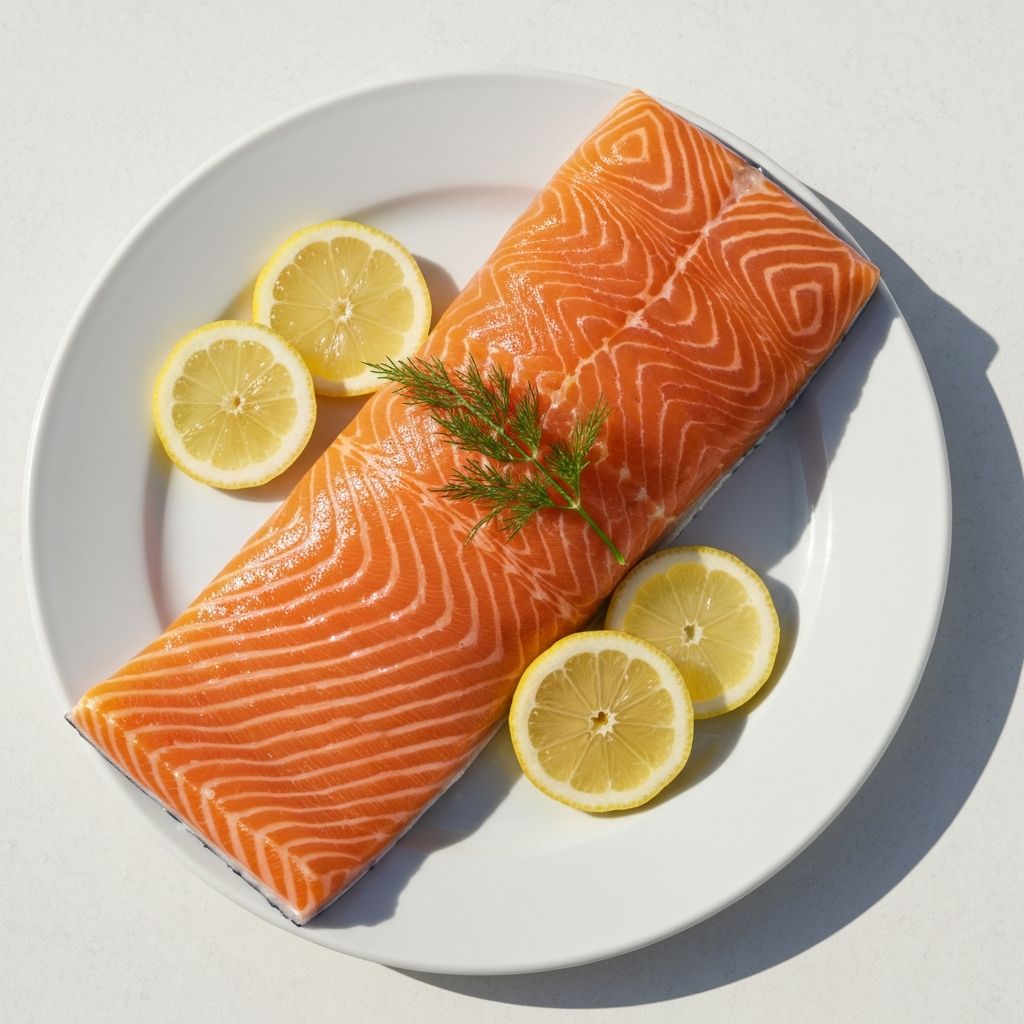
Fish, poultry, meat, eggs, and dairy products contain various vitamins and minerals. These foods are common components of many dietary patterns and are widely available in European markets.
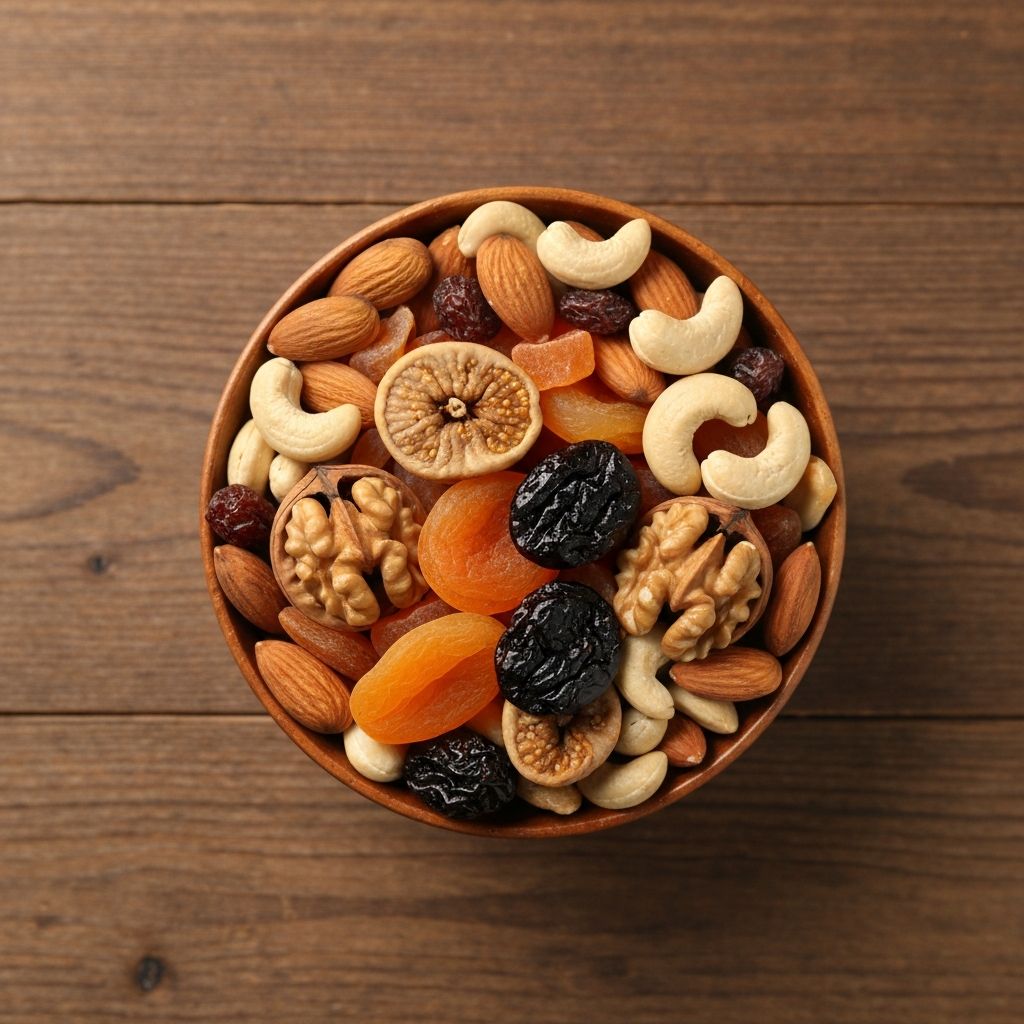
Plant Sources
Fruits, vegetables, legumes, nuts, seeds, and whole grains provide a diverse array of micronutrients. These plant-based foods are staples in various dietary traditions and are accessible in everyday shopping contexts.

Fortified Foods
Certain processed foods are fortified with added vitamins and minerals. Examples include fortified cereals, breads, plant-based milk alternatives, and other packaged food products commonly found in stores.
Products: Vitamins and Minerals for Men's Daily Routines
In addition to dietary sources, vitamins and minerals are available in supplemental forms. These products are marketed for various demographic groups and lifestyle contexts. The following provides general information about such products without endorsement or recommendation.

Multivitamin Formulations
Multivitamin products typically contain a combination of vitamins and minerals in a single formulation. These are widely available in pharmacies and retail stores and are produced by numerous manufacturers across different price ranges.

Single-Nutrient Supplements
Individual vitamins and minerals are also available as standalone supplements. Examples include Vitamin D, Vitamin C, calcium, magnesium, and zinc products. These are chosen by individuals based on various personal considerations.

Specialized Formulations
Some supplement products are formulated with specific demographic groups in mind, including formulations labeled for adult males. These products vary in composition and are part of the broader market for nutritional supplements.
Form is used only for informational mailing. We do not sell directly.
Role in Everyday Lifestyle Context

Vitamins and minerals are components of the everyday conversation about nutrition, wellness, and lifestyle habits. Their presence in dietary discussions reflects broader social interest in food choices and daily routines.
Many individuals consider micronutrient intake as one aspect among many factors in their daily lives. This consideration may manifest in various ways, including food selection, meal planning, and decisions about supplementation.
The context of micronutrients in daily routines is diverse and influenced by individual preferences, cultural backgrounds, lifestyle patterns, and access to different food sources. There is no single approach that characterizes how people engage with information about vitamins and minerals.
Understanding the general role of micronutrients in everyday contexts contributes to broader nutritional literacy and awareness without prescribing specific behaviors or outcomes.
Cultural and Regional Perspectives in Europe

Dietary patterns and attitudes toward nutrition vary across European countries and regions. These variations are shaped by cultural traditions, food availability, culinary practices, and historical factors.
In Germany and other Central European countries, there is a long-standing tradition of using fresh, seasonal produce from local markets. The availability of various food sources supports diverse dietary patterns that naturally include a range of vitamins and minerals.
The approach to nutritional supplements also varies across Europe. In some regions, supplementation is a common practice, while in others, there is greater emphasis on obtaining micronutrients primarily through food. These differences reflect diverse cultural attitudes and local contexts.
Understanding these regional and cultural perspectives provides context for how micronutrient awareness fits into broader patterns of food culture and everyday practices across different European settings.
Educational Notes on Balance and Variety

Nutritional science emphasizes the concept of variety and balance in dietary patterns. This principle relates to consuming a diverse range of foods from different food groups over time.
A varied diet that includes fruits, vegetables, whole grains, proteins, and healthy fats typically provides a broad spectrum of vitamins and minerals. This approach is discussed in general nutritional education as a foundational concept.
The notion of balance extends beyond individual nutrients to encompass overall eating patterns, meal timing, portion awareness, and the integration of food choices into daily life. These are complex topics with many individual variations.
Educational resources about micronutrients contribute to general knowledge that individuals may consider alongside many other factors when thinking about their own dietary habits and routines. This informational context does not replace personalized decision-making.
Frequently Asked Questions
What are vitamins and minerals?
Vitamins and minerals are micronutrients found in foods and also available in supplement form. They are categorized into various types based on their chemical properties and are part of nutritional discussions worldwide.
Where are micronutrients found?
Micronutrients are present in a wide variety of everyday foods including fruits, vegetables, grains, meats, fish, dairy products, nuts, seeds, and legumes. They are also available in fortified foods and dietary supplements.
What is the purpose of this educational resource?
This resource provides general informational content about vitamins and minerals in the context of everyday nutrition. It serves an educational purpose and does not offer personalized advice or recommendations.
How do dietary patterns vary?
Dietary patterns differ widely based on individual preferences, cultural backgrounds, geographic location, food availability, and personal circumstances. There are many approaches to incorporating micronutrient-containing foods into daily routines.
What is the difference between food sources and supplements?
Food sources provide micronutrients as part of whole foods that also contain other nutrients and compounds. Supplements provide isolated or combined micronutrients in concentrated forms. Both are part of the broader nutritional landscape.
Limitations and Context Block
Informational Nature of Content: All materials on this website are provided for general educational and informational purposes only. They do not constitute personalized guidance, recommendations, or advice.
No Individual Recommendations: This resource does not provide individual assessments, personalized suggestions, or tailored information. The content describes general concepts and contexts only.
Diversity of Approaches: Dietary patterns, nutritional choices, and lifestyle habits vary widely among individuals and populations. There are many valid approaches to nutrition and wellness.
Personal Decision-Making: The materials on this site do not replace personal decision-making or individual consideration of one's own circumstances, preferences, and contexts. Readers are encouraged to make their own informed choices.
Date of Information: The content on this website was compiled in January 2026 and reflects general knowledge available at that time. Nutritional science and dietary guidance evolve continuously.